
How to clean a wound properly: a step-by-step guide
A clean wound is a wound that can heal. Whether it's a small cut, a graze or a scrape, the way you clean it in the first few minutes shapes how quickly and cleanly it heals. Here's a simple, evidence-based routine you can follow at home.
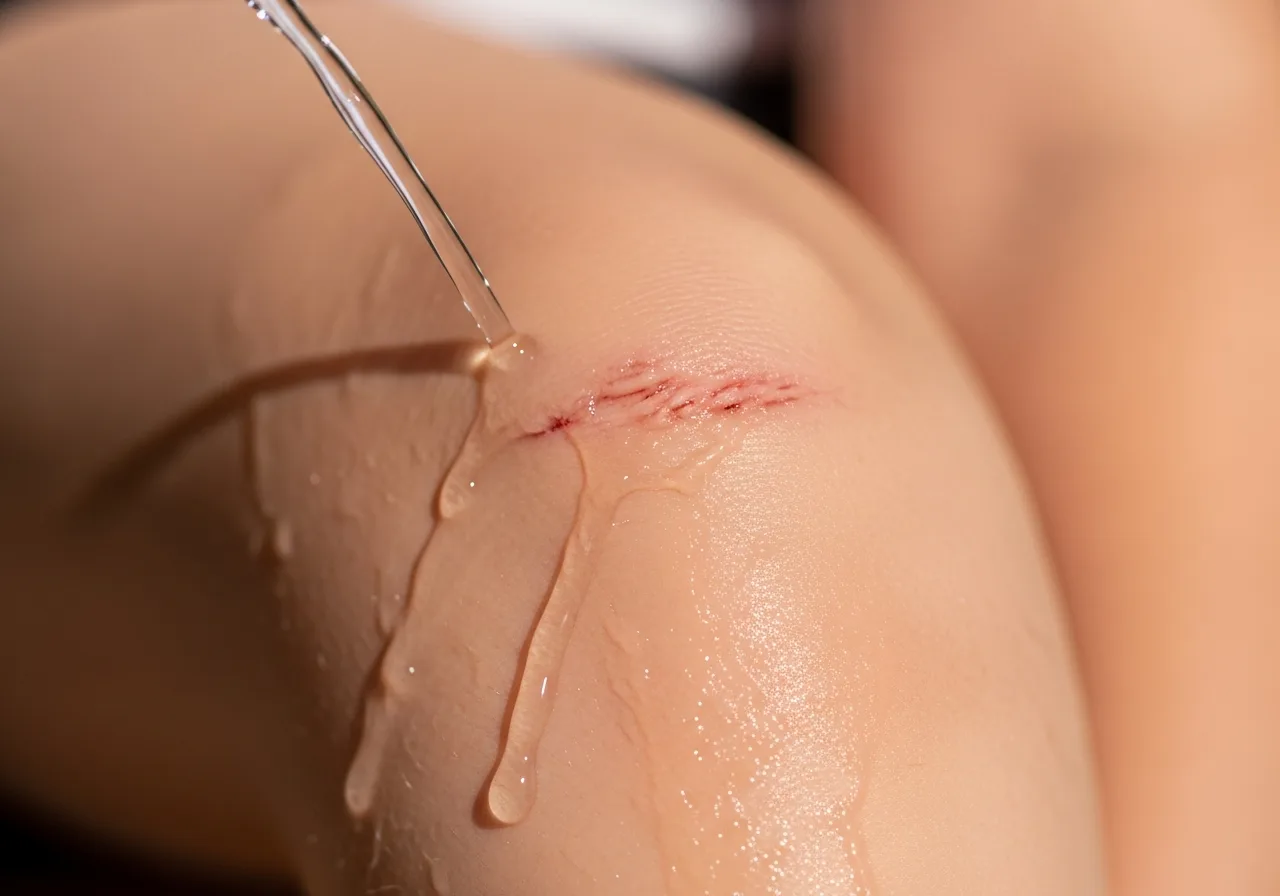
Why proper wound cleaning matters
The skin is the body's first line of defence. The moment it breaks, microorganisms from skin, hands, clothing and the environment can enter the wound. If they multiply, they can slow healing, leave a more visible scar, and — in some cases — cause infection that needs medical treatment.
Cleaning a wound has three jobs:
- Remove debris — dirt, gravel, splinters, fibres from clothing.
- Lower the bacterial load so the body's own healing cells can do their work.
- Create the right environment for healing — clean, moist and protected.
Wounds that are cleaned promptly and gently tend to heal faster, with less risk of infection and a smaller, neater scar. The opposite is also true: a poorly cleaned wound can take longer to close, become inflamed, or reopen.
What you'll need
A small first-aid kit at home should cover most everyday wounds:
- ClearliQ Woundspray — for cleansing, rinsing and moisturizing superficial or minor open wounds
- Mild, fragrance-free soap — for the skin around the wound, not in it
- Disposable gloves — if available
- A clean, lint-free cloth or sterile gauze
- Sterile dressings or plasters in a few sizes
- Medical tape
Skip cotton wool — fibres can stick to the wound and slow healing.
How to clean a wound: 5 steps
Wash your hands first
Before you touch the wound, wash your hands with soap and water for at least 20 seconds, or use an alcohol-based hand rub. If you have disposable gloves, put them on. Hand hygiene is the single most effective thing you can do to prevent infection.
Stop the bleeding with a gauze
Apply gentle, steady pressure to the wound with a clean cloth or sterile gauze. Most small cuts and grazes stop bleeding within a few minutes. If you can, raise the injured area above heart level. Don't keep lifting the cloth to look — that disturbs the clot. If bleeding is heavy, soaks through dressings, or doesn't slow after 10 minutes of pressure, seek medical help.
Cleanse the wound with ClearliQ Woundspray
Once the bleeding has stopped, cleanse the wound with ClearliQ Woundspray. It is designed for cleansing, rinsing and moisturizing superficial or minor open wounds such as cuts, abrasions and open blisters. Spray from a distance of approximately 10 cm onto the entire wound area until all dirt and visible particles are removed. The isotonic formula is skin-friendly and 100% alcohol-free, suitable for children from 2 years old. Apply up to three times a day, for no longer than seven days. If any visible debris remains after spraying, gently pick it out with clean tweezers (sterilised by wiping with alcohol). If something is deeply embedded, leave it and get medical help.
Pat dry
Gently pat dry the wound and the surrounding area of skin with a clean, lint-free cloth or sterile gauze. Don't rub — patting is gentler on new tissue. If the skin around the wound is dirty, you can wash it with mild soap (around the wound, not in it).
Cover the wound
Most minor wounds heal best when covered: it keeps the area clean, slightly moist, and protected from rubbing. Use a sterile dressing or a plaster sized to extend a little beyond the edges of the wound. Replace the dressing daily, or sooner if it gets wet or dirty. Wash your hands again before changing it.
Common mistakes to avoid
- Cleaning with hydrogen peroxide or strong antiseptics for routine cuts. They damage healthy cells and can slow healing.
- Scrubbing the wound bed. A gentle spray is enough; scrubbing damages new tissue.
- Leaving a wound open "to let it breathe". A covered, clean wound heals faster than an exposed one in most cases.
- Using cotton wool inside the wound. Fibres stick.
- Skipping handwashing. It's the simplest, highest-impact step.
- Re-using the same dressing for too long. Change it daily, or whenever it's wet or visibly soiled.
After cleaning: what helps a wound heal
Healing is a sequence — clotting, inflammation, tissue rebuilding, and finally remodelling — and you can support each stage:
- Keep it covered and slightly moist. Modern dressings, and purpose-made wound sprays that cleanse, rinse and moisturize the wound, help keep the area in the right condition for healing.
- Don't pick at scabs. A scab is a temporary cover; if you remove it early, you reopen the wound.
- Eat and drink well. Protein, vitamin C and zinc all play a role in tissue repair.
- Avoid smoking — while a wound is healing it reduces blood flow to the skin.
- Watch the wound, not the calendar. Most small wounds close within 7 to 14 days. If yours isn't progressing, check it.
When to see a doctor
See a doctor or urgent care service if any of the following apply:
Red flags
- Bleeding doesn't stop after 10 minutes of firm pressure.
- The wound is deep, gaping, or longer than about 1 cm.
- The wound is on the face, near the eye, or on a joint.
- It was caused by a bite (animal or human), a rusty or dirty object, or a deep puncture.
- You can see something embedded in the wound that you can't easily remove.
- Your tetanus vaccination is not up to date (typically every 10 years).
- The wound shows signs of infection: increasing redness, swelling, warmth, pus, a red streak spreading from the wound, fever, or worsening pain after the first 48 hours.
- The person is immunocompromised, has diabetes, or takes medication that affects healing.
If you are not sure, call your local non-emergency medical line. It's better to ask once than to miss an infection.
Frequently asked questions
Does cleaning a wound really speed up healing?
Should I use hydrogen peroxide on a cut?
Should I leave a wound uncovered to "let it breathe"?
How often should I change a dressing?
When is a wound an emergency?
Recommended product
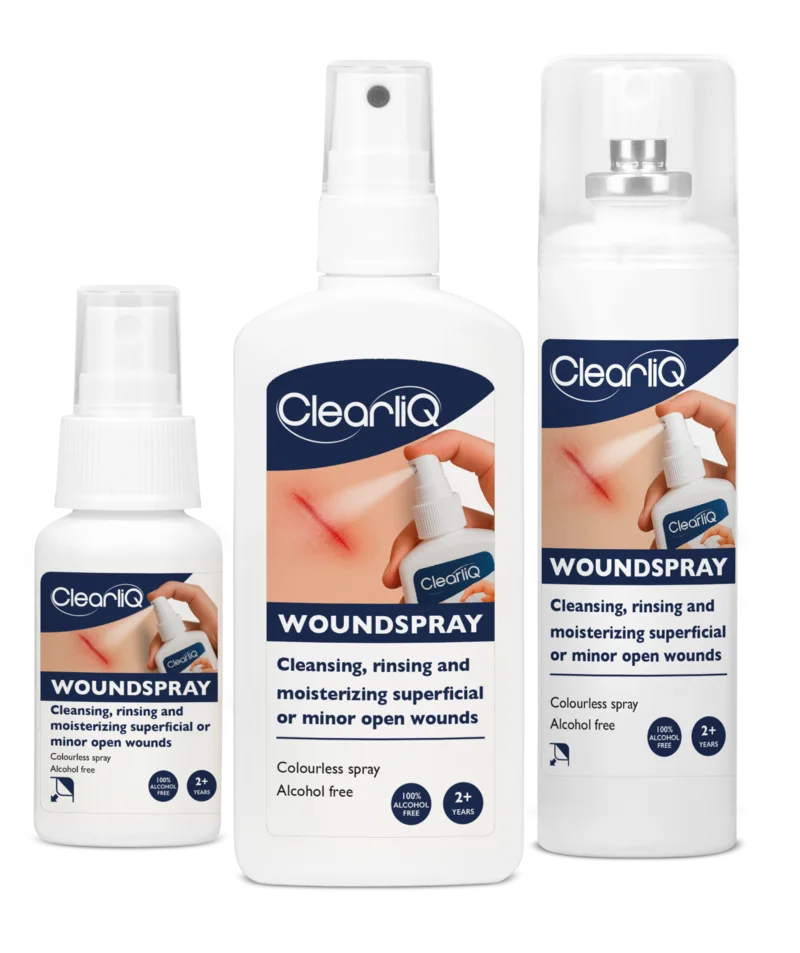
ClearliQ Woundcare — Class IIa medical device
ClearliQ Woundspray
Cleansing, rinsing and moisturizing superficial or minor open wounds. Skin-friendly. Suitable for children from 2 years old.
The Wound Spray solution cleans and moistens superficial or minor open wounds such as cuts, abrasions and open blisters in skin. It can also be used for chronic wounds and postoperative wound care after careful medical consultation in these cases.
- 100% alcohol-free.
- Protects against infections.
- Perfect for cleaning wounds before applying plasters.
Available in 50 ml and 100 ml.
For external use only. Do not use in mucous, in the middle or inner ear and/or in the eye area. Do not use continuously for longer than 7 days. Keep out of reach of children. Always read the instructions for use.
Related reading
This page is for general information only and does not replace professional medical advice. If you are unsure about a wound, contact a healthcare professional.
Subscribe to our Newsletter
Stay up to date with ClearliQ's latest news, health tips, and new product launches.