
Earwax Build-Up
and Blocked Ears
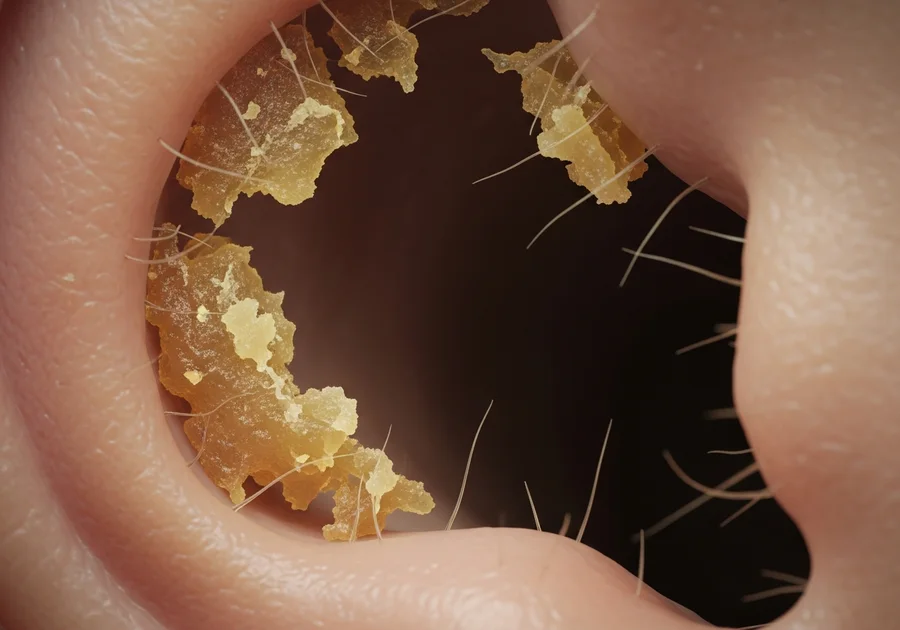
Earwax build-up is the single most common cause of blocked ears and muffled hearing. It affects millions of people every year, yet most treatments only scratch the surface of the problem.
What is earwax build-up?
Earwax, known medically as cerumen, is a natural substance produced by glands in the outer ear canal. It plays an important protective role, trapping dust, debris and bacteria before they reach the eardrum, and helping to keep the ear canal slightly acidic to resist infection.
Under normal circumstances, the ear is self-cleaning. Old earwax migrates naturally towards the opening of the ear canal, where it dries and falls away. Earwax build-up occurs when this natural process is disrupted, and wax accumulates faster than it can be cleared.
Why does earwax build-up happen?
Several factors can interfere with the ear's self-cleaning mechanism and lead to earwax accumulation:
- In-ear device use: AirPods, earbuds and hearing aids physically block the natural migration of earwax out of the ear canal, causing progressive build-up with regular use.
- Cotton bud use: Cotton buds remove surface wax, but push a greater portion deeper into the canal, compacting it against the eardrum and accelerating the problem.
- Narrow or hairy ear canals: Some individuals naturally have ear canal anatomy that makes self-cleaning less efficient, leading to recurring earwax accumulation.
- Overproduction: Some people simply produce more earwax than average. This is a genetic trait and often runs in families.
- Dry earwax type: Earwax comes in two forms, wet and dry, determined by genetics. Dry earwax is more prone to compaction and blockage.
Symptoms of earwax build-up
Earwax build-up can cause a range of symptoms, from mild to significantly disruptive:
Why common solutions don't always work
Most over-the-counter earwax products are designed to soften earwax, making it more pliable and hoping the ear's natural migration process will do the rest. For mild build-up, this can be enough. But for compacted earwax plugs, the kind that cause blocked ears and muffled hearing, softening alone is rarely sufficient.
Olive oil drops, widely recommended by GPs, soften but do not dissolve earwax structure. They also require several days to weeks of application before any noticeable improvement. Meanwhile, the blocked ear sensation continues, and in many cases, people return to cotton buds out of frustration, making things worse.
GP ear syringing and microsuction are effective but require appointments, cost money and time, and are not designed for routine home use. Many people wait weeks before getting treatment, longer than necessary.
A more effective approach to earwax removal
Effective earwax removal requires more than softening. It requires actively dissolving the earwax plug structure and rinsing it clear. The ClearliQ Earwax Drops & Syringe is a complete earwax removal treatment designed for home use: biosolvent drops dissolve the wax plug from within, and the included precision rinsing syringe flushes it out, giving you effective wax removal in a single 5-minute session.
For people who experience recurring earwax build-up, using a dedicated ear wax removal routine before blockage occurs is the most practical approach. ClearliQ Earwax Spray provides daily earwax maintenance that replaces cotton buds and keeps the ear canal clear with regular use, preventing the need for more intensive earwax removal later.
Earwax removal: your questions answered
What is earwax removal?
How do I know when my ear wax needs removing?
What is the safest way to remove ear wax at home?
How does an earwax removal treatment work?
When should I see a doctor about ear wax build-up?
Subscribe to our Newsletter
Stay up to date with ClearliQ's latest news, health tips, and new product launches.